
Comparing Coastal vs. Inland Australian Golf Courses: Which Is Better?
Golf in Australia is more than just a sport—it’s an experience shaped by breathtaking landscapes, diverse climates, and unique course designs. From the rugged coastline to the sun-drenched inland plains, golfers have a wealth of options that challenge both skill and strategy. Yet, a common debate among enthusiasts revolves around one crucial question: are coastal courses superior to inland ones, or does the heart of the country offer something just as compelling? To answer this, we need to explore the key differences, advantages, and distinctive experiences that each type of course offers.
The Allure of Coastal Golf Courses
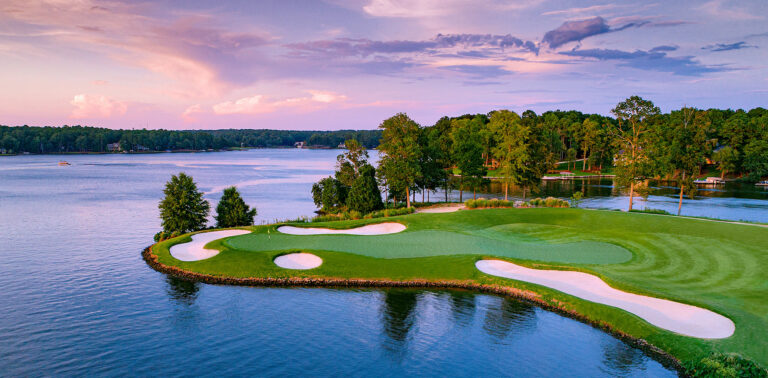
Coastal golf courses in Australia are renowned for their dramatic scenery and natural beauty. Courses along the coastline often provide panoramic views of the ocean, cliffs, and dunes, creating a visually stunning backdrop that enhances the game. Playing amidst the sound of crashing waves and the scent of sea salt offers a sensory experience that inland courses can rarely match.
Weather is a defining element of coastal golf. Breezes from the ocean can significantly influence gameplay, requiring golfers to consider wind direction and strength in every shot. While this can make the course more challenging, it also adds a dynamic element that appeals to skilled players seeking variety and unpredictability. Coastal courses often employ natural landscapes, using dunes, cliffs, and native vegetation as integral components of the course design, resulting in layouts that feel organic and unique.
Many iconic Australian coastal courses, such as those in Victoria’s Mornington Peninsula or New South Wales’ South Coast, combine strategic play with aesthetic appeal. These venues frequently host tournaments, attracting golfers who appreciate both competitive challenges and a picturesque environment. The combination of natural beauty, challenging wind conditions, and expertly designed layouts often makes coastal courses a bucket-list experience for many golfers.
The Charm and Challenge of Inland Courses
While coastal courses captivate with scenery, inland courses offer a different kind of allure: accessibility, versatility, and consistency. Located away from the unpredictability of the ocean, inland courses benefit from more stable weather conditions, allowing for uninterrupted play throughout the year. For golfers who prefer reliability over atmospheric challenges, inland courses are often the practical choice.
Inland Australian courses frequently showcase the country’s varied landscapes, from rolling hills and fertile valleys to outback plains. Designers of these courses often emphasize strategic play over natural hazards, relying on bunkers, water features, and subtle elevation changes to test a player’s skill. While they may lack the dramatic ocean views of coastal courses, inland venues often reward golfers with serene environments and the opportunity to focus purely on their game.
Courses in regions like the Barossa Valley in South Australia or the Darling Downs in Queensland demonstrate how inland designs can blend natural beauty with functional playability. Additionally, the inland setting allows for longer fairways and more expansive layouts, which can appeal to golfers who enjoy the technical aspects of course management without the distractions of wind or tides.

Weather and Playability Considerations
One of the most practical factors when comparing coastal and inland golf courses is weather. Coastal courses are heavily influenced by marine climates, which can introduce wind, fog, and sudden rain showers. These conditions require adaptability and a deeper understanding of how environmental factors affect ball trajectory and strategy. For players who enjoy a challenge and the unpredictability of nature, coastal courses provide a stimulating test of skill.
In contrast, inland courses often benefit from more predictable weather patterns, especially in regions with continental or semi-arid climates. This stability allows golfers to plan trips without worrying about sudden weather disruptions and can make the game more enjoyable for casual players and families. Furthermore, inland courses may feature less wear and tear from salt and moisture, contributing to well-maintained fairways and greens that offer consistent play throughout the year.
Strategic and Technical Differences
The type of course also influences strategy and technical demands. Coastal courses require players to adjust for wind, navigate uneven terrain, and contend with natural obstacles such as sand dunes or coastal vegetation. This often emphasizes shot-making versatility and creativity. Courses like Barnbougle Dunes in Tasmania challenge golfers with open landscapes where the wind becomes an integral part of each round, requiring calculated risk-taking and precision.
Inland courses, meanwhile, highlight accuracy and course management. Fairways may be narrower, and hazards like water traps and bunkers are often strategically placed to challenge decision-making rather than relying on external elements like wind. Players often find that inland courses encourage a more thoughtful, analytical approach, rewarding consistency and planning over spontaneous shot-making. For many golfers, mastering an inland course is an exercise in patience, strategy, and controlled execution.
Accessibility and Community Atmosphere
Beyond gameplay, accessibility and community atmosphere play a role in the appeal of each type of course. Coastal courses, especially the world-renowned ones, can be destinations in themselves, attracting tourists and professional players. While this can enhance the prestige of playing there, it may also mean higher green fees and more crowded conditions, particularly during peak seasons.
Inland courses are often more integrated into local communities. They may offer a more relaxed pace, welcoming regular players and fostering camaraderie among members. For golfers seeking a friendly environment or frequent play, inland courses can provide both convenience and a sense of belonging. Many regional inland clubs host local tournaments and social events, emphasizing enjoyment and community over high-profile competition.
Health and Wellness Benefits
Golf, regardless of location, is excellent for physical and mental health. Coastal courses offer the added benefit of fresh sea air and exposure to natural coastal environments, which can enhance the sense of relaxation and well-being. Walking along dunes and cliffs while absorbing the sights and sounds of the ocean can reduce stress and provide a holistic outdoor experience.
Inland courses also contribute positively to wellness but in a more grounded way. They offer extensive green spaces, often with less environmental noise, which allows players to connect with nature in a quieter, meditative setting. The consistent terrain and predictable course conditions may also reduce physical strain, making inland golf appealing for players of varying fitness levels.

Economic and Travel Considerations
Cost and travel are important factors in determining which type of course might be “better” for an individual golfer. Coastal courses, particularly those near major cities or tourist hubs, may involve higher travel and accommodation expenses. They can also be more expensive in terms of membership fees or daily green fees due to their high demand and premium location.
Inland courses generally provide a more cost-effective option for frequent play. With lower associated travel costs and often more affordable memberships, inland courses can accommodate regular golfers and families without breaking the budget. For those seeking quality golf without the premium price tag, inland courses offer excellent value and the opportunity for repeated play throughout the year.
Environmental Considerations
Sustainability and environmental impact are increasingly important in modern golf course design. Coastal courses often navigate delicate ecosystems and must balance playability with environmental preservation. Maintaining dunes, native grasses, and marine-adjacent areas requires careful planning and sometimes results in limitations on course modifications. However, this integration of natural landscapes can make coastal courses more visually impressive and environmentally immersive.
Inland courses, while less exposed to sensitive marine environments, may still face challenges with water usage, especially in semi-arid regions. Many inland courses have embraced eco-friendly irrigation, native vegetation, and energy-efficient maintenance practices, making them sustainable options without compromising playability. For environmentally conscious golfers, both coastal and inland courses offer pathways to responsible and enjoyable play.
Personal Preferences and Golfing Goals
Ultimately, the question of which course is better depends on personal preferences and golfing goals. Coastal courses are ideal for those who value aesthetics, dynamic weather challenges, and the experience of playing in renowned locations. They cater to golfers seeking memorable rounds where nature itself becomes part of the challenge.
Inland courses, by contrast, suit players who prioritise consistency, strategy, and community. They provide reliable conditions, affordable play, and opportunities for improvement without the distractions of wind or tidal changes. For beginners, families, or those seeking frequent play, inland courses may offer a more practical and enjoyable experience.
Some golfers appreciate a combination of both, rotating between coastal and inland courses to enjoy the full spectrum of challenges, scenery, and experiences Australian golf has to offer. Many avid players find that mastering inland courses improves technical skills, which they can then apply to the more variable conditions of coastal play.
Iconic Examples of Each Type
Australia is home to world-famous coastal courses, including Kingston Heath in Victoria and Royal Pines along the Gold Coast. These venues offer iconic scenery and highly challenging layouts that attract national and international attention. They exemplify the artistry of golf course design intertwined with the natural coastal environment.
Inland courses, such as Barnwell Golf Club in New South Wales or The Vines in Western Australia, demonstrate how inland settings can provide equally rewarding golf experiences. These courses offer well-maintained landscapes, strategic layouts, and immersive play that rewards precision and patience. Both coastal and inland courses have distinct personalities, contributing to Australia’s rich and diverse golfing culture.
Making the Choice
When deciding between coastal and inland golf courses, consider factors such as weather tolerance, travel logistics, course difficulty, and personal enjoyment. Coastal courses may offer awe-inspiring scenery and challenging wind conditions, perfect for those who seek a dynamic and visually rewarding experience. Inland courses provide accessibility, reliability, and community engagement, appealing to golfers who prefer consistency and a focus on technical play.
There is no definitive answer to which type is better. Each offers unique advantages that cater to different aspects of the game. The beauty of Australian golf lies in its diversity—whether along the windswept coast or amid serene inland landscapes, golfers can discover courses that suit their skill level, preferences, and lifestyle. Exploring both coastal and inland courses can enrich one’s appreciation of the sport and the remarkable environments that Australia provides.