The Unique Intersection of Golf and Nature in Australia
Australia is renowned for its stunning landscapes, and its golf courses are no exception. Unlike the manicured greens found in many parts of the world, Australian golf courses often coexist harmoniously with native ecosystems. Rolling fairways, rugged coastlines, bushland, and wetlands provide not only a challenging golfing experience but also a sanctuary for local wildlife. From kangaroos and koalas to a rich variety of bird species, golfers often find themselves sharing the course with the natural world. This interaction elevates a simple game into a unique ecological experience.
Kangaroos Hopping Across the Fairways
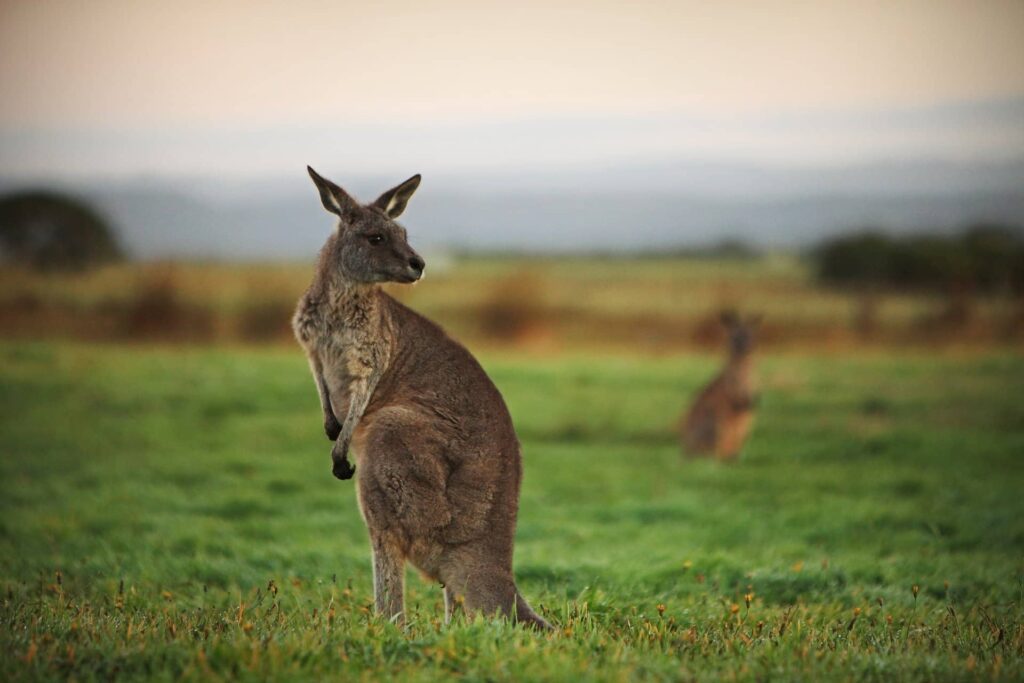
One of the most iconic wildlife encounters on Australian golf courses involves kangaroos. Particularly prevalent in rural and coastal courses, kangaroos may be seen grazing on early morning dew or hopping across the greens. These encounters are more than a picturesque backdrop; they offer golfers a glimpse into the balance between recreation and nature conservation. Some courses, recognizing the importance of these native marsupials, actively create safe corridors for kangaroos to move freely, ensuring that neither sport nor wildlife is compromised.
Birds Adding Color and Melody to the Game
Australia’s golf courses are vibrant hubs for avian life. Parrots, cockatoos, magpies, and honeyeaters are commonly spotted, adding bursts of color and melodic calls to the serene environment. Coastal courses may host seabirds such as pelicans and gulls, while inland courses attract raptors like kites and eagles. Observing these birds requires patience and respect; golfers often report that quiet moments between shots offer some of the most memorable wildlife encounters. Many courses have implemented bird-friendly landscaping, planting native species that provide food and shelter, further enhancing the biodiversity on the greens.
Koalas and Other Marsupials in the Shadows
While kangaroos are often in the spotlight, other marsupials like koalas, wallabies, and bandicoots can also be spotted. Koalas, for example, may be seen perched quietly in eucalyptus trees lining fairways, a reminder of Australia’s unique natural heritage. Courses situated near bushland reserves are particularly rich in such encounters. The presence of these animals emphasizes the need for responsible golfing practices, such as avoiding littering and keeping to designated paths, to minimize disruption to their habitats.
Amphibians and Wetlands on the Course
Many Australian golf courses incorporate wetlands as part of their design, creating natural hazards and enhancing course aesthetics. These wetlands are also critical habitats for frogs, turtles, and aquatic birds. The croaks of native frogs in the early morning or the sight of turtles basking on logs are subtle but captivating reminders of the interconnectedness of water systems and recreational spaces. Courses that maintain these wetland areas contribute to regional biodiversity and offer golfers an immersive encounter with nature that goes beyond the traditional golfing experience.
Nocturnal Wildlife Encounters
Golfers typically play during daylight hours, but courses are alive with nocturnal activity. Possums, owls, and even echidnas emerge at night, adding another layer to the ecological complexity of the courses. While these encounters are mostly experienced by maintenance staff or nearby residents, some eco-conscious golf courses organize night tours or wildlife observation events, combining recreation with education about local fauna.
The Role of Golf Courses in Conservation
Australian golf courses are increasingly recognized as valuable conservation spaces. By preserving bushland, wetlands, and native vegetation within and around the fairways, these courses provide essential refuge for wildlife. Many clubs partner with conservation groups to monitor animal populations, control invasive species, and restore native habitats. In this sense, golfing and environmental stewardship are not mutually exclusive; they can complement one another, turning recreational spaces into living laboratories for ecological education.
Seasonal Variations and Wildlife Behavior
Wildlife encounters on golf courses vary with the seasons. In spring, flowers bloom and attract pollinators like bees and butterflies, while migratory birds return to nesting areas. Summer often sees kangaroos seeking shade during the hottest parts of the day, and winter may bring waterbirds to flooded fairways or wetlands. Understanding these seasonal patterns allows golfers to anticipate encounters and plan trips that combine sport with wildlife observation. Courses that embrace these natural rhythms offer a richer, more immersive experience for both casual and serious golfers.
Coastal Courses and Marine Life
Australia’s extensive coastline provides a unique opportunity for golf courses to interact with marine ecosystems. Coastal courses may be adjacent to sand dunes, estuaries, and tidal flats that host shorebirds, seals, and occasionally dolphins. These landscapes not only challenge golfers with wind and water hazards but also connect them to the broader environmental context of Australia’s coastal wildlife. The integration of dune preservation and native vegetation helps maintain these habitats while enhancing the aesthetic and ecological value of the course.
Challenges and Responsibilities for Golfers
Sharing space with wildlife requires mindfulness and responsibility. Golfers must respect signage, avoid disturbing animals, and ensure that their activities do not harm fragile ecosystems. Littering, off-path wandering, and the use of non-native plants can disrupt habitats and threaten local species. Courses that actively educate players on wildlife and environmental conservation help create a culture where sport and nature coexist in harmony.
Photography and Wildlife Observation
Many golfers find joy in capturing the wildlife they encounter on the course. Birds in flight, kangaroos at dawn, and koalas resting in eucalyptus trees provide excellent opportunities for photography and nature journaling. Some golf courses encourage these activities by providing observation points or wildlife trails alongside fairways, turning a day of golf into a broader exploration of the local ecosystem. For those passionate about both sport and wildlife, this dual experience is often unforgettable.
Education and Community Engagement
Beyond recreation, Australian golf courses often play a role in environmental education. Programs aimed at schools and community groups highlight local fauna, habitat conservation, and sustainable landscaping practices. Golf courses can act as gateways for the public to engage with nature in a controlled environment, fostering awareness and appreciation of wildlife. This approach helps bridge the gap between recreational activity and environmental stewardship, ensuring that future generations value and protect these unique spaces.
The Psychological Benefits of Wildlife Encounters
Encountering wildlife on the golf course is not just about aesthetics; it also provides psychological benefits. Studies suggest that exposure to nature reduces stress, improves focus, and enhances overall well-being. Golfers who pause to observe a kangaroo grazing or listen to the call of a kookaburra often report a heightened sense of connection to their surroundings, enhancing both their enjoyment of the game and their appreciation for nature. The combination of physical activity, social interaction, and wildlife observation makes golf uniquely restorative in the Australian context.
Designing Courses for Wildlife and Golf
Course architects increasingly recognize the importance of integrating natural habitats into their designs. Strategic placement of trees, wetlands, and native vegetation supports local species while enhancing the challenge and beauty of the course. By blending ecological considerations with playability, these designs ensure that wildlife thrives alongside the sport, providing golfers with an experience that is both challenging and environmentally responsible. This balance requires careful planning but pays off in long-term sustainability and player satisfaction.
Stories of Memorable Wildlife Encounters
Golfers and course staff alike often share stories of memorable wildlife encounters. A kangaroo casually watching a putt, a flock of parrots passing overhead, or a family of turtles crossing a fairway can become the highlight of a round. These moments remind us that golf in Australia is not just a game but an opportunity to connect with the natural world in meaningful ways. They highlight the unpredictability and wonder inherent in playing on courses that respect and preserve native habitats.
Balancing Recreation with Ecological Integrity
The challenge for Australian golf courses is to balance recreation with ecological integrity. Maintenance practices, landscaping choices, and course usage all impact local wildlife. Sustainable management practices, such as using organic fertilizers, reducing water consumption, and preserving native plants, help maintain this balance. Courses that succeed in integrating sport with conservation create spaces that are enjoyed by humans while remaining vibrant ecosystems for wildlife.
The Future of Wildlife-Friendly Golf
As awareness of environmental issues grows, more golf courses are committing to wildlife-friendly practices. Partnerships with conservation organizations, habitat restoration projects, and community education initiatives all point to a future where golfing and environmental stewardship coexist harmoniously. Golfers themselves are becoming more engaged in these efforts, recognizing that protecting wildlife enhances the quality and enjoyment of the game. In this way, Australian golf courses are leading by example, demonstrating that sport and nature can thrive together.
Experiencing Wildlife as Part of the Game
For many golfers, wildlife encounters are a cherished part of the experience. Unlike any other country, Australia’s diverse fauna makes each course visit unique. From morning rounds punctuated by the calls of kookaburras to sunset putts with kangaroos grazing nearby, the presence of wildlife adds depth, beauty, and unpredictability to the game. It transforms golf from a mere sport into an immersive interaction with nature.