The Intersection of Art and Golf: Australian Golf Courses with Artistic Flair
Golf is often celebrated for its precision, patience, and connection to nature. Yet, for many enthusiasts and visitors, there is an additional layer of appreciation: the artistry embedded in the design of golf courses themselves. In Australia, a country renowned for its natural beauty and vibrant creative culture, golf courses transcend the role of mere sporting venues. They are canvases where landscape architects, horticulturalists, and artists collaborate to create spaces that evoke emotion, showcase natural forms, and celebrate aesthetics alongside athleticism. Understanding the intersection of art and golf in Australia reveals how these courses offer more than a game—they offer an immersive, sensory experience.
The Concept of Golf as a Living Canvas
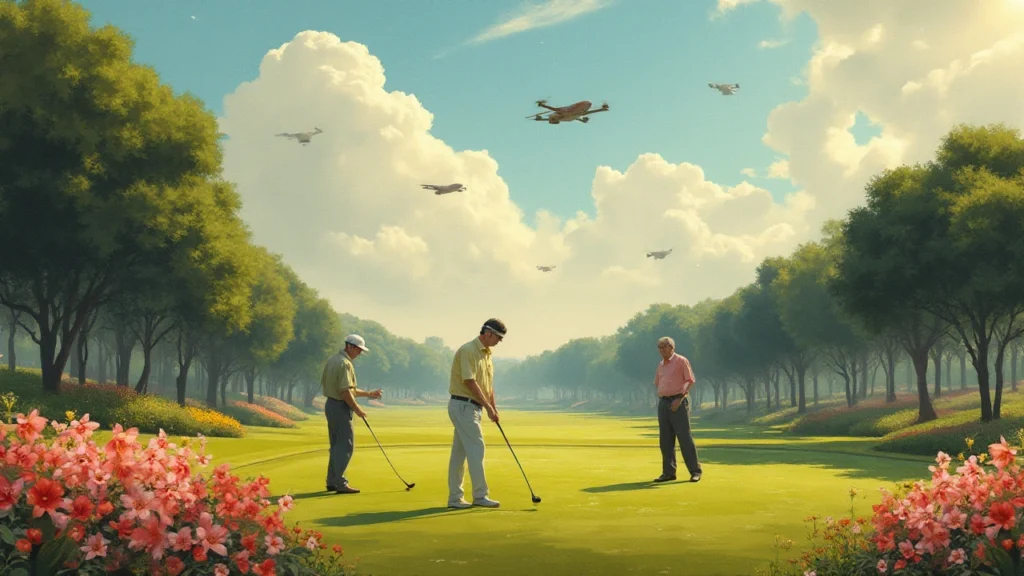
Golf courses can be seen as living works of art, blending human creativity with natural landscapes. Unlike traditional art forms, a golf course is constantly evolving, responding to seasons, weather, and growth cycles of plants. In Australia, many courses are designed with a keen eye for visual storytelling, using topography, vegetation, water features, and architectural elements to craft a narrative for the player.
Designers often consider perspective, balance, and harmony, much like painters do when composing a canvas. The rolling hills of a fairway may be carefully sculpted to guide the eye, while bunkers and water hazards provide contrast and rhythm. Each hole becomes a scene, inviting golfers to experience a series of visual and strategic challenges. Art is no longer confined to museums; it emerges on the greens, in the contours of the land and the delicate interplay between nature and human intervention.
Indigenous Influence and Natural Aesthetics
Australia’s Indigenous culture has a profound influence on artistic expression, and some golf courses integrate this heritage into their design. The natural contours of the land are not simply obstacles to navigate—they tell stories of the land’s history and cultural significance. Many course architects draw inspiration from Indigenous land management practices and traditional art forms, incorporating patterns reminiscent of Aboriginal art into landscaping choices, pathways, and planting arrangements.
Water features and native flora are employed not just for ecological sustainability but also for their visual impact. Courses designed with these principles allow players to connect more deeply with the land. Playing golf on these courses becomes an experience akin to wandering through a living gallery where every element, from the rough grasses to the placement of a lone gum tree, contributes to a cohesive aesthetic vision.
The Role of Landscape Architecture
Landscape architecture is central to the artistic quality of Australian golf courses. Designers often approach a project with both artistic and ecological goals, ensuring that the beauty of the course is sustainable and functional. By carefully analyzing natural landforms, water flow, soil quality, and vegetation, architects craft courses that feel as though they emerged naturally from the environment rather than imposed upon it.
Elements such as undulating greens, strategically positioned bunkers, and tree-lined fairways serve dual purposes. They challenge the golfer while also creating visual interest. For instance, the use of elevation changes can produce dramatic vistas, revealing the course in stages as the player progresses. A well-designed course offers moments of surprise and delight, much like a gallery revealing new perspectives as one moves from one room to another. In Australia, where diverse climates and terrain offer endless possibilities, landscape architecture elevates golf into an artistic endeavor.
Golf Course Architecture as a Storytelling Medium
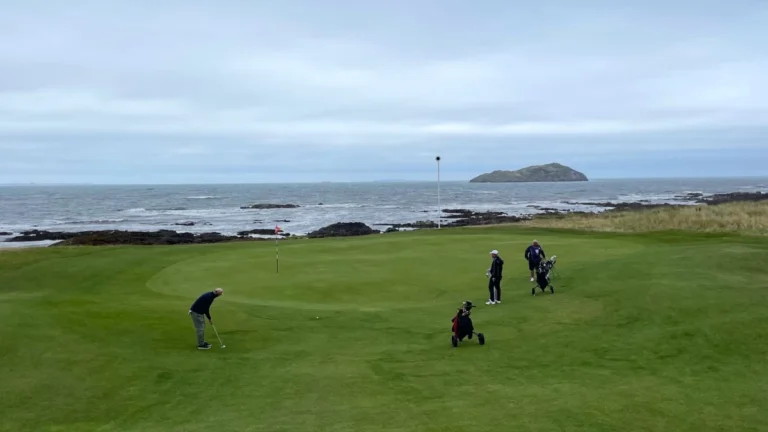
Some Australian golf courses are celebrated not only for their challenge but also for the story they tell. A player moving from the first tee to the 18th green may traverse diverse landscapes that evoke different moods and emotions. Coastal courses might blend the raw beauty of cliffs and ocean views with serene fairways, creating a juxtaposition of power and calm. Inland courses may showcase forests, wetlands, or rolling hills, inviting reflection and introspection.
Each hole can be seen as a chapter in a larger narrative. Designers carefully consider pacing, visual cues, and thematic consistency, just as a writer considers plot and character development. Art and golf intersect in this storytelling, with the course guiding the player’s journey while offering moments of beauty and contemplation. The artistry lies in harmonizing challenge, aesthetics, and experience, resulting in courses that remain memorable long after the final putt is sunk.
Signature Courses with Artistic Reputation
Certain Australian golf courses have achieved iconic status not just for their sporting credentials but also for their visual and artistic appeal. Coastal gems like Barnbougle Dunes in Tasmania integrate rugged natural landscapes with minimal intervention, allowing the land’s raw beauty to shine. The sweeping sand dunes, native grasses, and panoramic ocean views create a visual spectacle akin to landscape painting, where natural forms dictate the composition.
On the other hand, inland courses such as Royal Melbourne Golf Club showcase meticulous design and refinement. Renowned for its use of strategic bunkering, undulating greens, and thoughtfully placed vegetation, Royal Melbourne demonstrates how artistry can coexist with competitive challenge. Each hole is an orchestrated scene, balancing aesthetic elegance with playability, proving that art in golf is not just about visual appeal but about crafting an experience that engages multiple senses.
Artful Use of Color and Texture
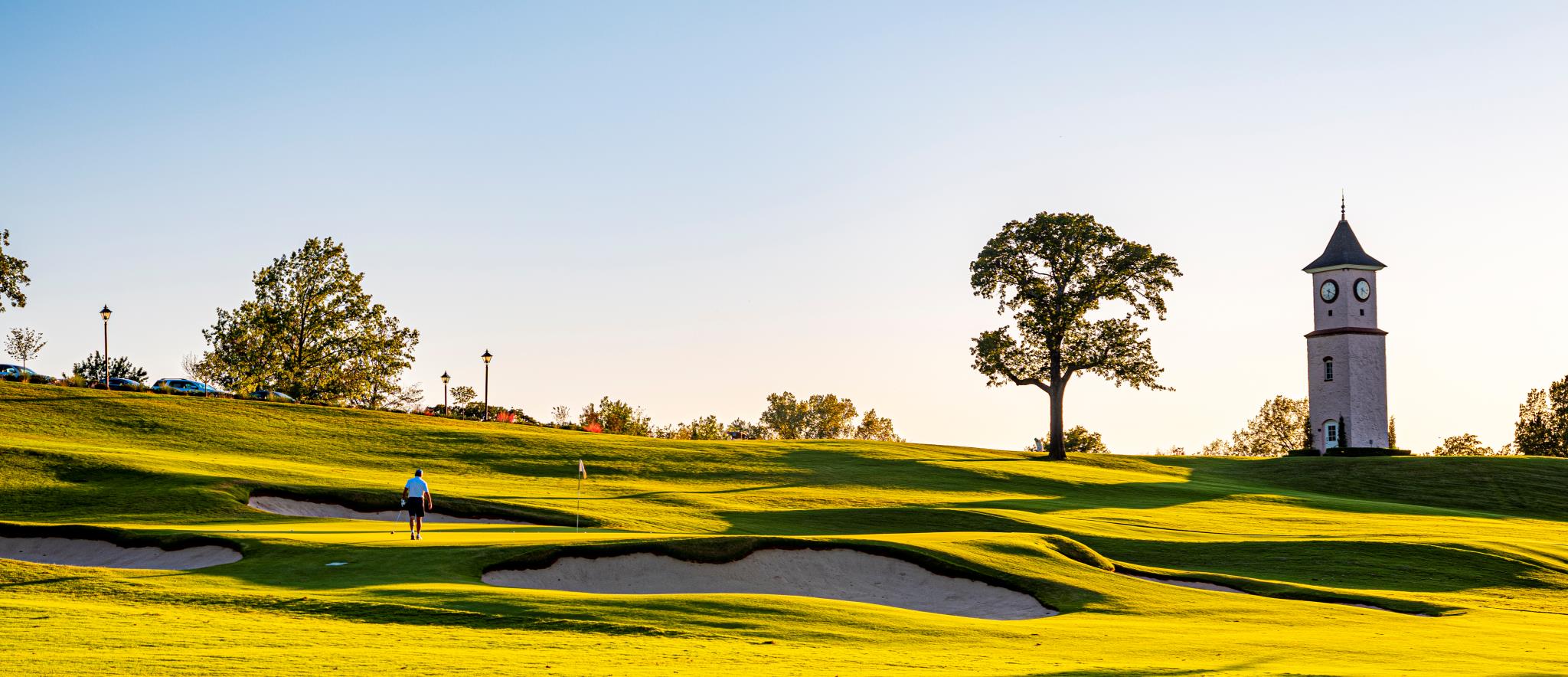
Visual artistry in golf is not limited to form and layout—it also encompasses color, texture, and contrast. Australian courses often exploit the country’s diverse ecosystems to create a palette that changes with the seasons. Vibrant greens of manicured fairways may contrast with golden native grasses, while flowering shrubs and groundcover add seasonal accents. Sand bunkers and water hazards are carefully selected for color and texture to complement the natural environment, enhancing the visual drama of the landscape.
Textures can also guide perception and strategy. The rough may be intentionally varied, the greens subtly contoured, and pathways and cart tracks integrated to draw the eye along natural lines. These artistic choices influence how players perceive each hole, subtly shaping decisions and heightening the sensory experience. In Australia, where light and weather conditions vary dramatically across regions, these elements allow courses to transform visually throughout the day and year.
Sculpture, Architecture, and Art Installations
Beyond landscape design, some Australian courses incorporate literal art installations to enhance the golfing experience. Sculptures, bespoke bridges, and clubhouses with striking architectural elements become integral parts of the course’s artistic identity. These features often serve as focal points or visual anchors, creating memorable landmarks within the course. For golfers, encountering such elements can evoke awe, reflection, or simply appreciation of human creativity integrated into the natural environment.
Architectural elements are particularly prominent in clubs where heritage and modernity intersect. Historic clubhouses may feature traditional design elements, while newer constructions experiment with contemporary forms and materials. This fusion of architecture, art, and landscape exemplifies the multidisciplinary nature of artistry in golf, blurring boundaries between sport, design, and cultural expression.
Photography, Painting, and Golf as Inspiration
Golf courses in Australia have inspired artists, photographers, and writers for decades. The interplay of light, shadow, and form provides endless opportunities for visual exploration. Photographers often capture the drama of coastal courses at sunrise, when golden light dances across dunes and water. Painters may interpret the textures and colors of inland fairways, translating them into abstract or impressionistic works that celebrate the land’s natural beauty.
This artistic dialogue between course designers and visual artists reinforces the notion that golf is not just a sport but a creative encounter. Courses become both subject and muse, inspiring human expression in ways that extend beyond the boundaries of the fairway. In turn, this interaction elevates the cultural value of golf, demonstrating that the game has significance beyond recreation and competition.
Environmental Art and Sustainability
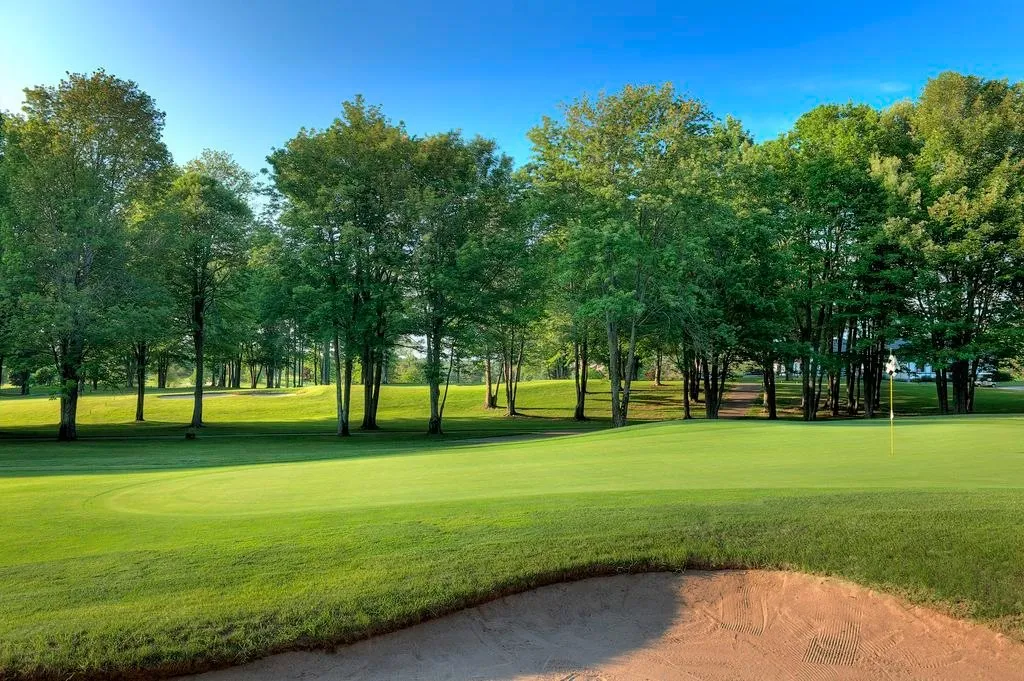
Artistic golf course design increasingly intersects with environmental consciousness. Australian designers often emphasize ecological sustainability, integrating native plants, water conservation systems, and habitat protection into their designs. These efforts are not only environmentally responsible but also contribute to the visual and experiential quality of the course. Naturalized areas, wetlands, and indigenous plantings can serve as living installations, blending artistry with stewardship of the land.
Courses that embrace environmental art principles encourage golfers to appreciate the subtleties of the ecosystem while navigating the game. Birds, insects, and native fauna become part of the visual and sensory experience, reinforcing the connection between human creativity and natural processes. In this context, golf courses function as galleries where art, sport, and ecology converge, reflecting a uniquely Australian approach to design.
Experiencing Golf as an Immersive Art Form
Playing golf on these artistic courses is an immersive experience. Each round can be seen as a walk through a curated landscape, where every choice, every stroke, and every pause is informed by the artistry around the player. The integration of visual, tactile, and emotional elements enhances the game, creating moments of reflection, surprise, and delight.
For visitors unfamiliar with golf, these courses offer an introduction to both sport and art. Spectators, photographers, and casual walkers can appreciate the beauty of the landscape, the choreography of movement, and the elegance of design without ever picking up a club. In Australia, golf courses are increasingly recognized as public cultural assets, offering inspiration and aesthetic enjoyment alongside athletic challenge.
Bridging Sport and Culture
Ultimately, the intersection of art and golf in Australia highlights the country’s broader cultural ethos, which values creativity, natural beauty, and holistic experiences. Golf courses are not isolated sporting venues; they are cultural landscapes that reflect artistic vision, environmental sensitivity, and human ingenuity. By integrating artful design, storytelling, and ecological mindfulness, these courses bridge the gap between sport and culture, demonstrating that golf can be as enriching for the soul as it is for the body.
The appeal of artistic golf courses extends beyond professional players. Tourists, local enthusiasts, and art lovers alike are drawn to these spaces for their beauty and immersive qualities. In Australia, where landscapes are diverse and dramatic, the potential for artistic expression in golf is virtually limitless. Courses become landmarks, celebrated not just for scorecards and championships but for the way they captivate the imagination and nurture appreciation for the natural and artistic world.