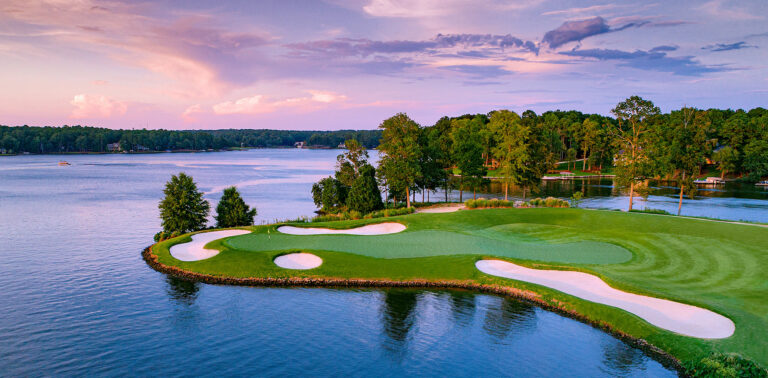

Golf Course Architecture: What Makes Australian Golf Courses Unique?
Golf in Australia is more than just a pastime; it is an expression of the country’s natural beauty, geography, and architectural ingenuity. Australian golf courses are renowned for their distinctive character, blending the nation’s diverse landscapes with innovative design. Unlike many traditional courses in Europe or North America, Australian golf architecture reflects a unique harmony with the land, emphasizing natural contours, native vegetation, and environmental sustainability. Understanding what makes these courses stand out requires an exploration of the principles behind their design, the landscapes they inhabit, and the philosophies of the architects who shape them.
The Influence of Landscape on Course Design
One of the defining elements of Australian golf course architecture is the way courses are integrated with their natural surroundings. From the rolling hills of Victoria to the sandy coastlines of New South Wales, the terrain dictates much of the layout. Australian architects have long valued minimal intervention, allowing the natural topography to guide the course’s flow rather than forcing the land into predetermined shapes. This approach not only enhances the aesthetic appeal but also challenges golfers with unpredictable elements such as undulating fairways, native grasses, and natural water hazards.
The Australian landscape itself is incredibly varied. Inland courses often take advantage of bushland settings, where the strategic placement of bunkers and native scrub creates a compelling challenge. Coastal courses, meanwhile, capitalize on wind, dunes, and ocean views, presenting a different kind of difficulty where golfers must factor in environmental conditions alongside technical precision. This strong connection to the natural environment is a hallmark of Australian golf course design and contributes to a sense of place that is both memorable and distinct.
The Philosophy of Minimalist Design
Australian golf course architecture has historically embraced a minimalist philosophy, a principle famously associated with designers such as Alister MacKenzie and Greg Norman. Minimalist design emphasizes playing with the land rather than against it, preserving natural features and creating a course that feels organic rather than manufactured. The intent is to offer a strategic challenge without overwhelming players with artificial obstacles or overly manicured conditions.
This philosophy manifests in subtle contours, strategic bunkering, and greens that reward thoughtful shot placement rather than brute force. Minimalist courses often appear deceptively simple at first glance, but their complexity is revealed through careful examination of angles, slopes, and natural hazards. Golfers must read the terrain carefully, adapting their game to the land rather than expecting a uniform, predictable playing surface. In Australia, this approach aligns perfectly with the varied and often rugged natural landscapes, producing courses that are both beautiful and challenging.
The Role of Environmental Awareness
Australian golf course architects are increasingly attentive to environmental sustainability, a factor that sets the region apart from many others. Courses are designed to coexist with local ecosystems, often incorporating native plants and preserving habitats for wildlife. Water conservation is a significant concern, given Australia’s frequent drought conditions, leading designers to select drought-tolerant grasses and implement efficient irrigation systems.
Environmental awareness also extends to the careful placement of greens, tees, and fairways to reduce soil erosion and minimize chemical usage. Some courses have become leaders in ecological management, setting benchmarks for sustainable practices that are now being adopted globally. This ecological consciousness is more than just a trend; it is embedded in the ethos of Australian golf course architecture, reflecting a deep respect for the land and its preservation for future generations of golfers.
Architectural Styles That Define Australia
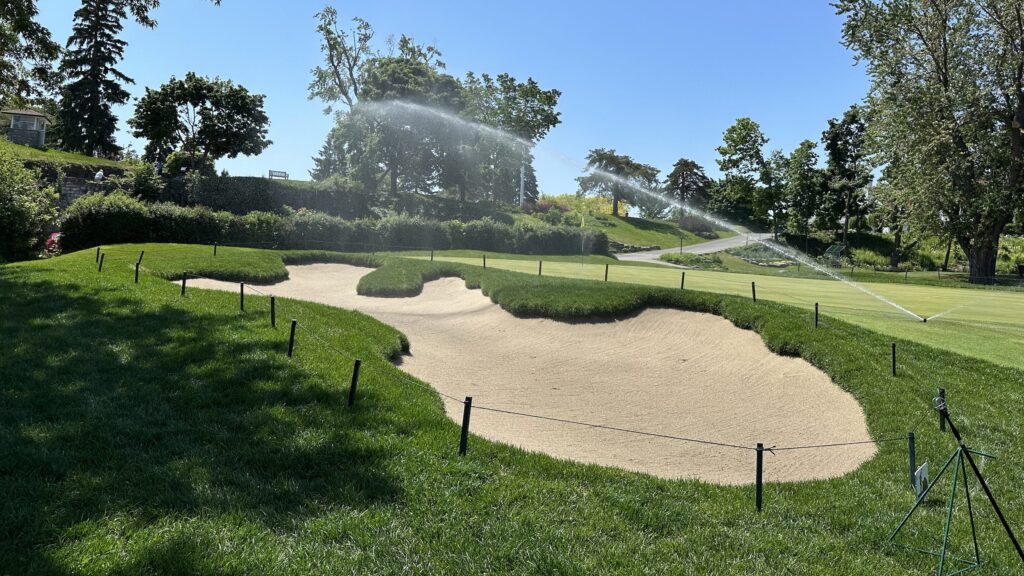
The architectural identity of Australian golf courses is diverse, influenced by a blend of British traditions, American innovation, and local creativity. Early courses often mirrored the classic links-style layouts of Scotland, with minimal earth movement and an emphasis on strategic design. Over time, architects began to adapt these principles to Australian conditions, resulting in a style that blends links-inspired strategies with bushland and coastal aesthetics.
Notable architectural elements include the use of undulating greens that test putting skills, natural bunkers that follow the contours of the land, and fairways that incorporate native vegetation as both a visual and strategic feature. Water hazards, when present, are often integrated seamlessly into the landscape rather than appearing as artificial obstacles. The combination of these elements produces courses that are both challenging and picturesque, inviting golfers to engage with the land as much as the game itself.
The Influence of Renowned Architects
Australia has produced and attracted some of the world’s most celebrated golf course architects, each leaving a distinct imprint on the nation’s courses. Alister MacKenzie, responsible for famous courses such as Royal Melbourne, emphasized strategic design and natural integration, principles that continue to influence Australian architecture today. Modern architects like Greg Norman and Mike Clayton have carried forward these traditions while embracing contemporary design techniques and environmental considerations.
The legacy of these architects is evident not just in the physical layout of courses but also in the strategic philosophy they impart. Golfers encounter a mix of risk and reward, where careful planning and course management are as crucial as technical skill. The influence of these designers ensures that Australian golf courses remain globally respected for both their aesthetic beauty and strategic complexity.
Coastal Courses and the Challenge of Wind
Australia’s coastal courses present a unique challenge due to the persistent influence of wind and weather. Unlike inland courses where conditions are relatively stable, coastal layouts demand a dynamic approach. Golfers must constantly adjust their stance, club selection, and shot trajectory to contend with gusting winds that can turn a seemingly straightforward hole into a test of precision and patience.
The design of coastal courses often incorporates natural dunes, sandbanks, and vegetation to frame holes and provide strategic options. Architects use these elements to create a sense of drama and unpredictability, ensuring that no two rounds feel exactly the same. The result is a golfing experience that is both exhilarating and humbling, showcasing the interaction between human skill and the raw power of nature.
Inland Courses and Strategic Play
In contrast to the coastal windswept challenges, Australia’s inland courses emphasize strategic thinking and technical execution. The rolling hills, river valleys, and bushland settings of inland areas provide ample opportunity for creative design. Bunkers, water hazards, and natural undulations require golfers to carefully consider angles, distances, and shot placement.
Inland courses often reward precision over power, offering multiple routes to the green that demand thoughtful decision-making. This approach mirrors the broader Australian design philosophy, where strategic complexity and natural integration are prioritized over sheer difficulty. Golfers are encouraged to engage mentally with the course, making it as much a game of strategy as one of physical ability.
The Cultural Impact on Course Design
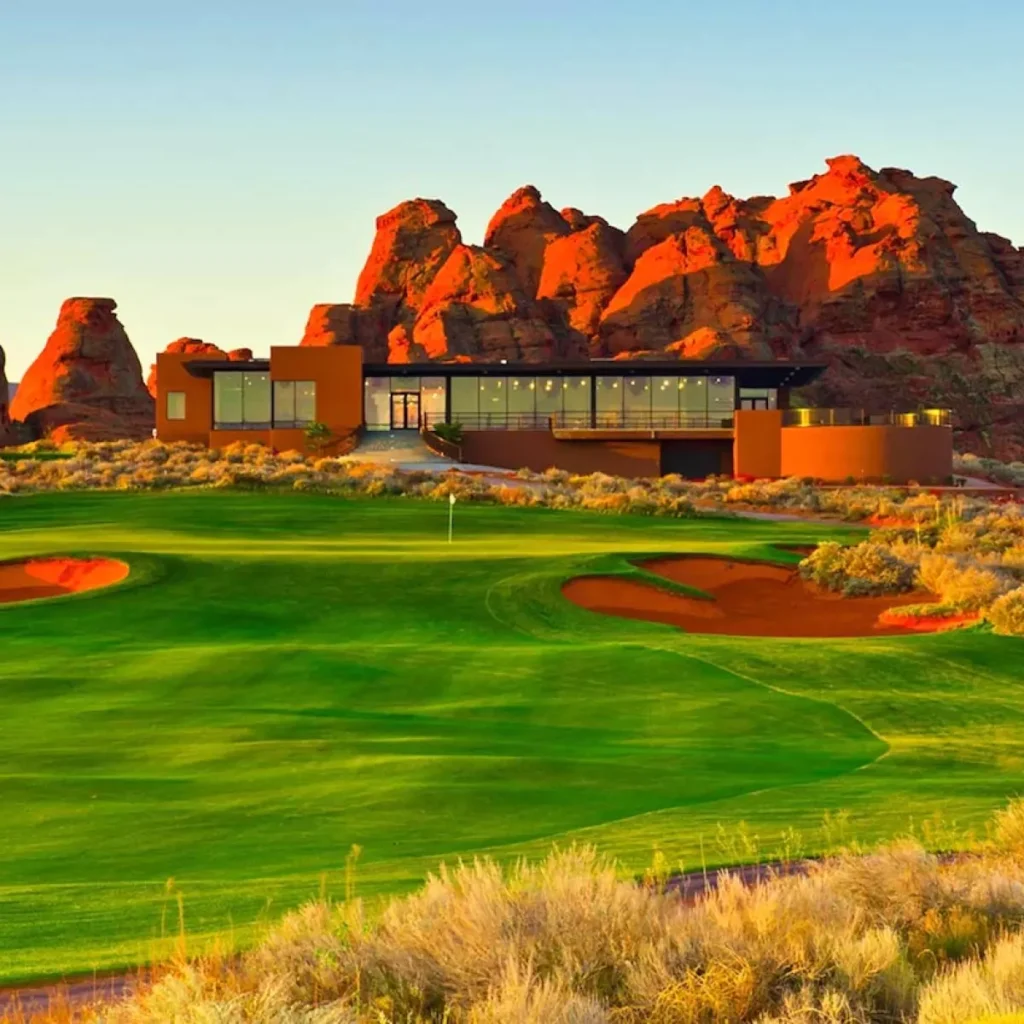
Australian golf courses are also shaped by the culture and lifestyle of the nation. Golf is deeply intertwined with outdoor living, social gatherings, and a love of the natural environment. Courses are designed not only for playability but also to create spaces for community and leisure. Clubhouses, practice areas, and surrounding landscapes often reflect local character and hospitality, enhancing the overall experience.
The cultural emphasis on inclusivity and accessibility has also influenced course design. Many Australian courses offer layouts that accommodate golfers of varying skill levels while maintaining strategic integrity for advanced players. This balance between challenge and enjoyment reflects the nation’s approach to sports and recreation, where engagement and connection are as important as competition.
The Role of Native Flora and Fauna
Native vegetation plays a central role in defining the character of Australian golf courses. Eucalypts, banksias, and other indigenous plants are not merely aesthetic features; they influence play and strategy. Dense bushland can frame holes, serve as hazards, or create natural corridors that guide the golfer’s path.
The integration of native flora also supports local wildlife, creating courses that function as mini-ecosystems. Birds, marsupials, and other creatures coexist within the golfing environment, enhancing the sense of connection to nature. For architects, this adds another layer of complexity, requiring careful planning to balance ecological preservation with the needs of playability and safety.
Sustainability as a Core Principle
Sustainability is increasingly central to Australian golf course architecture. Beyond water conservation, architects focus on soil health, energy-efficient maintenance practices, and biodiversity. Many courses employ innovative irrigation systems, drought-tolerant grasses, and environmentally sensitive landscaping to reduce their ecological footprint.
Sustainable practices are not just environmentally responsible; they also enhance the golfer’s experience. Courses that embrace natural growth cycles, native vegetation, and minimal chemical intervention tend to offer more diverse playing conditions and a more authentic connection to the landscape. Sustainability in Australia’s golf architecture reflects a broader societal commitment to preserving the country’s unique environmental heritage.