
The Role of Australian Golf Courses in Promoting Local Tourism
Golf in Australia has long been more than just a sport. It represents a unique intersection of recreation, culture, and natural beauty. Beyond their role as sporting venues, Australian golf courses are increasingly becoming key drivers of local tourism, attracting visitors from around the world and contributing to regional economies in meaningful ways. These green landscapes, often set against spectacular backdrops, provide more than just a place to play; they offer immersive experiences that highlight the local environment, culture, and hospitality.
Golf Courses as Tourism Destinations
Australian golf courses are not merely facilities for local enthusiasts; they are destinations in their own right. Many of the country’s renowned courses, from the dramatic coastal cliffs of New South Wales to the lush hinterlands of Queensland, provide visitors with experiences that extend far beyond the sport itself. Travelers are drawn to the opportunity to play on world-class courses while enjoying the scenic beauty that surrounds them. For instance, courses like Royal Melbourne and Barnbougle Dunes have become iconic stops for international golfers, blending challenging layouts with breathtaking views.
The appeal of golf tourism lies not only in the sport but also in the associated experiences. Guests often explore nearby towns, dine in local restaurants, and stay in boutique accommodations or luxury resorts. This extended engagement stimulates the local economy and encourages visitors to explore beyond the fairways. Golf courses thus serve as gateways, connecting tourists to the broader cultural and natural offerings of the region.
Boosting Regional Economies
The impact of golf tourism on regional economies in Australia cannot be overstated. Golf-related travel generates substantial revenue through accommodation, dining, transport, and leisure activities. Visitors who come for golf often extend their stay, increasing spending in local areas. Small towns and regional centers benefit significantly from this influx of tourists, as courses located outside major cities attract both domestic and international players seeking unique golfing experiences.
Moreover, hosting tournaments and events adds an additional layer of economic stimulation. National and international competitions draw crowds of spectators, media personnel, and support staff, all of whom contribute to the local economy. This influx of visitors can also create temporary employment opportunities, from event management to hospitality services, further integrating golf courses into the economic fabric of their communities.
Showcasing Natural Landscapes
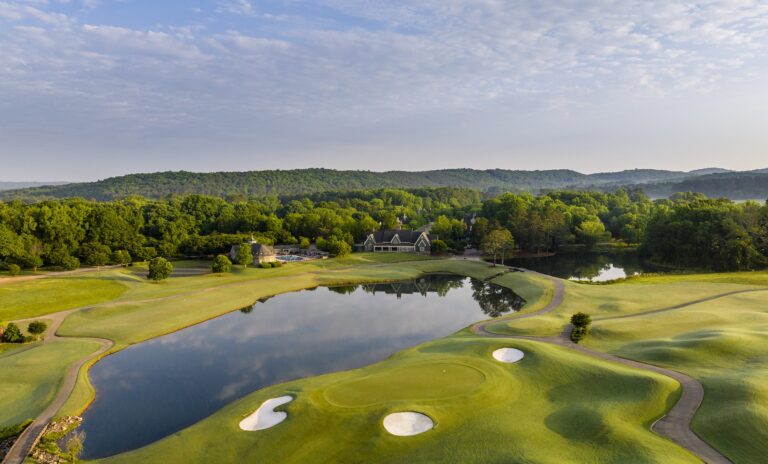
Australian golf courses are often designed to harmonize with their natural surroundings, making them ideal showcases of local landscapes. Coastal courses feature dramatic ocean views, while inland courses might wind through rolling hills, native bushland, or river valleys. This integration of natural beauty not only enhances the golfing experience but also serves as a visual promotion of the region to tourists who may not have otherwise explored these areas.
Photographs, social media posts, and travel blogs frequently highlight the aesthetic appeal of Australian courses, amplifying their visibility on a global scale. Scenic vistas, unique terrain, and the biodiversity surrounding many courses entice nature enthusiasts, photographers, and casual visitors to plan trips that combine sport with leisure and sightseeing. By doing so, golf courses help to create a distinctive identity for their regions, attracting a diverse array of visitors who appreciate both recreation and nature.

Cultural Engagement Through Golf Tourism
Beyond natural beauty, Australian golf courses often reflect local culture and heritage. Many courses incorporate historical elements, from colonial-era clubhouses to Indigenous heritage trails. Visitors can engage with these cultural features, enriching their travel experience and fostering a deeper appreciation of the region.
Golf tourism also encourages interaction with local communities. Courses often partner with nearby towns to offer cultural tours, culinary experiences, and artisan showcases. These interactions provide tourists with a more holistic experience, promoting local culture while offering economic benefits to small-scale artisans, restaurateurs, and guides. Through this engagement, golf courses serve as platforms for storytelling, connecting visitors to the history, traditions, and unique identity of the regions they explore.
International Appeal and Golf Packages
Australia has earned a reputation as a premier golfing destination, attracting international tourists who combine their love of the sport with vacation plans. Many resorts and courses offer comprehensive golf packages that include accommodation, transport, dining, and guided experiences. These packages make it easier for international visitors to explore the region comfortably while indulging in world-class golfing experiences.
The global appeal of Australian golf courses is further amplified by major events such as the Australian Open and PGA tournaments. Such events attract international attention, encouraging golf enthusiasts to travel to Australia to witness high-level competition or to play on the same courses as professional golfers. This combination of sport and travel significantly enhances the country’s tourism profile and highlights the value of golf courses as more than just sporting venues—they are cultural and recreational magnets.
Encouraging Domestic Travel
While international visitors are important, domestic golf tourism plays an equally vital role. Australians increasingly seek out golf experiences in regions they may not have previously considered. The appeal of a scenic golf getaway often motivates travelers to explore regional areas, discover hidden gems, and support local businesses.
Golf courses often collaborate with local tourism boards to create seasonal packages or promotions that encourage domestic travelers to visit. Whether it’s a weekend getaway to the Hunter Valley’s vineyards or a coastal escape along the Great Ocean Road, golf serves as a catalyst for exploring diverse regions within the country. These domestic trips not only boost regional economies but also strengthen the connection between Australians and their country’s natural and cultural assets.

Integrating Hospitality and Leisure
Modern golf courses increasingly incorporate hospitality and leisure amenities to enhance their tourism appeal. Luxury resorts, spas, fine dining, and recreational activities complement the golfing experience, making courses attractive to non-golfers as well. This integration allows families, couples, and groups with mixed interests to enjoy a destination together, broadening the tourism appeal of golf facilities.
Courses with robust hospitality offerings also encourage longer stays, creating opportunities for tourists to engage more deeply with the region. Visitors may explore local attractions, participate in culinary experiences, or enjoy wellness activities. By combining sport with hospitality, Australian golf courses create immersive tourism experiences that cater to a wide audience, strengthening their role in regional tourism promotion.
Sustainable Tourism Practices
Sustainability is becoming a key focus in the management of Australian golf courses. Many courses are implementing eco-friendly practices, such as water conservation, native landscaping, and wildlife habitat preservation. These initiatives not only protect local ecosystems but also appeal to environmentally conscious travelers who seek sustainable tourism options.
By positioning themselves as environmentally responsible destinations, golf courses can attract a segment of tourists who prioritize sustainability. Eco-friendly practices also enhance the long-term viability of courses, ensuring that they remain attractive and operational for both local communities and visitors. This alignment of sport, tourism, and sustainability underscores the growing role of golf courses as stewards of both recreation and the environment.
Golf Courses and Regional Branding
Golf courses often serve as ambassadors for their regions, helping to shape perceptions and attract tourism. Iconic courses become synonymous with their locations, creating strong brand recognition. For example, areas with renowned courses may be perceived as premier vacation destinations, drawing visitors who seek both luxury and authenticity.
The branding effect extends beyond golf. Local businesses, accommodations, and attractions benefit from the increased visibility generated by association with a prestigious course. Marketing campaigns that highlight the scenic beauty, recreational opportunities, and unique features of golf courses also elevate the profile of the region as a whole. In this way, golf courses contribute to a larger tourism ecosystem, amplifying the attractiveness of their surroundings to both domestic and international visitors.
Future Opportunities for Golf Tourism
The future of Australian golf tourism holds exciting potential. Technological advancements, such as virtual course tours, online booking platforms, and integrated travel packages, make it easier for tourists to plan and experience golf-centric vacations. Additionally, collaborations between golf courses, tourism boards, and local businesses can further enhance the value proposition for visitors, creating seamless and memorable experiences.
Emerging trends also include adventure golf tourism, wellness retreats, and cultural immersion programs that integrate golf with local experiences. By diversifying offerings and leveraging unique regional attributes, Australian golf courses can continue to attract a broader audience, promoting local tourism in innovative and sustainable ways.