
Eco-Friendly Practices in Australian Golf Courses: Sustainability on the Greens
Golf courses have long been celebrated for their manicured greens, challenging landscapes, and the serenity they offer to players. In Australia, these courses not only provide recreational enjoyment but also represent a significant interaction between sport and the environment. As awareness of environmental issues grows, golf courses have increasingly adopted eco-friendly practices to balance sporting excellence with sustainability. From water management to biodiversity conservation, Australian golf courses are leading the way in sustainable practices while still maintaining world-class playing conditions.
The Rise of Sustainability in Australian Golf
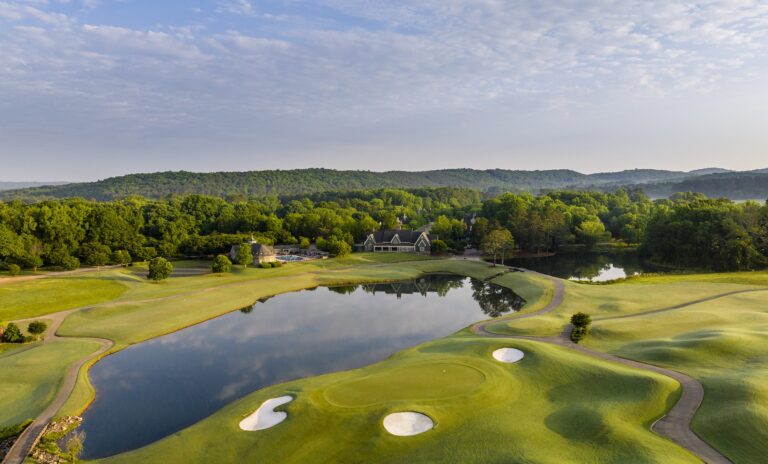
Sustainability in golf courses is no longer a niche consideration. Across Australia, there is a clear recognition that golf courses can either harm or help local ecosystems depending on management practices. Historically, golf courses were criticized for excessive water use, pesticide application, and the disruption of natural habitats. However, modern course design increasingly prioritizes environmental stewardship, with golf clubs embracing sustainable strategies that reduce ecological footprints while enhancing the natural beauty of their landscapes.
Australian courses, particularly those in regions prone to drought and extreme weather, have adapted by integrating sustainability into both their design and day-to-day operations. The shift reflects broader trends in environmental awareness, including the government’s push for water conservation, native vegetation protection, and reduction of chemical inputs. Players and members increasingly value courses that demonstrate commitment to sustainability, recognizing that responsible practices benefit both the environment and the long-term viability of the sport.
Water Management Innovations
One of the most pressing sustainability challenges for Australian golf courses is water management. Golf greens, fairways, and tees require consistent irrigation, but Australia’s climate, especially in areas such as Queensland and New South Wales, often experiences periods of drought and water scarcity. As a result, eco-friendly courses have embraced a variety of water-saving strategies.
Rainwater harvesting is one approach gaining popularity. Courses collect rainfall and store it in large reservoirs or underground tanks for irrigation during dry periods. This reduces reliance on municipal water supplies and ensures courses remain green without overtaxing local resources. Additionally, the use of recycled water from local treatment facilities has become more widespread, providing a reliable source for irrigation while maintaining environmental responsibility.
Another key innovation involves precision irrigation systems. By using sensors to monitor soil moisture levels and plant health, course managers can deliver water exactly where it is needed, minimizing waste. Smart irrigation technologies also allow courses to schedule watering during cooler periods of the day, reducing evaporation and optimizing efficiency. Through these techniques, Australian courses are not only conserving water but also maintaining healthier, more resilient greens and fairways.
Native Landscaping and Habitat Preservation
Sustainability on Australian golf courses extends beyond water management to include native landscaping and habitat preservation. Rather than relying solely on exotic grasses and ornamental plants, many courses are now incorporating native flora that is naturally adapted to local climate conditions. These plants require less water, fewer chemicals, and less maintenance while providing habitat for local wildlife, from birds to small mammals and insects.
Courses are increasingly recognizing the importance of preserving natural habitats within and around the course. Wetlands, bushland, and riparian areas are carefully integrated into the layout, providing ecological corridors for wildlife and protecting biodiversity. In some cases, golf courses have partnered with environmental organizations to restore native vegetation or reintroduce endangered species. These efforts not only contribute to local conservation but also create aesthetically pleasing landscapes that enhance the playing experience.
Strategically designed roughs and natural areas serve dual purposes. They provide a challenge to golfers while simultaneously functioning as ecological zones. These areas reduce mowing requirements, limit chemical usage, and support pollinators, birds, and small mammals. By embracing native landscaping, Australian golf courses are redefining their role as stewards of the environment rather than just recreational facilities.

Reducing Chemical Use and Promoting Organic Practices
Traditional golf course maintenance has relied heavily on pesticides, herbicides, and synthetic fertilizers to maintain pristine conditions. While effective, these chemicals can harm local ecosystems, contaminate waterways, and affect soil health. Eco-conscious courses in Australia are shifting toward integrated pest management (IPM) and organic fertilization practices to minimize environmental impact.
IPM emphasizes monitoring, prevention, and targeted interventions rather than routine chemical application. By encouraging beneficial insects, using biological controls, and applying chemicals only when necessary, courses can maintain healthy turf without overreliance on synthetic products. Organic fertilizers derived from composted materials, seaweed extracts, or slow-release plant nutrients further support soil health and biodiversity while reducing pollution.
The transition to chemical-reducing practices also addresses concerns about the health and safety of golfers and staff. Courses that adopt these methods often see improvements in soil structure, water retention, and long-term turf resilience. In Australia, this approach aligns with broader agricultural trends toward sustainable land management, making golf courses a model for responsible environmental stewardship.
Energy Efficiency and Renewable Power
Energy consumption is another important consideration in sustainable golf course management. From golf carts and maintenance equipment to clubhouse operations, energy use can contribute significantly to a course’s carbon footprint. Australian golf courses are increasingly investing in energy-efficient technologies and renewable energy sources to reduce environmental impact.
Solar panels on clubhouses and maintenance sheds provide a clean, renewable source of electricity, lowering operational costs while demonstrating environmental commitment. LED lighting for pathways, parking areas, and night-time facilities further enhances efficiency. For course maintenance, hybrid or electric vehicles are gradually replacing traditional petrol-powered machinery, reducing greenhouse gas emissions and noise pollution.
In some cases, courses are exploring innovative energy solutions such as small-scale wind turbines or geothermal heating for club facilities. These technologies not only support sustainability goals but also create educational opportunities, allowing players and visitors to witness firsthand how eco-friendly initiatives can be integrated into recreational settings.
Waste Reduction and Recycling Programs
Sustainability on Australian golf courses extends to waste management as well. Courses generate a variety of waste streams, including grass clippings, leaves, packaging, and food waste from clubhouses. Forward-thinking clubs implement composting, recycling, and responsible disposal programs to minimize landfill contributions.
Grass clippings and organic debris are often composted and returned to the turf as natural fertilizer, closing the nutrient loop and reducing the need for synthetic inputs. Recycling bins for plastics, glass, and metals are strategically placed throughout clubhouses and course facilities, encouraging both staff and members to participate. Even clubhouse kitchens have adopted strategies to minimize food waste, including portion control, donation programs, and composting systems.
Through these efforts, courses not only reduce environmental impact but also foster a culture of sustainability among players and visitors. Recycling and composting initiatives demonstrate that eco-friendly practices can be seamlessly integrated into the everyday operations of a golf club, providing a tangible example of environmental responsibility.
Educating Players and Members
An essential aspect of sustainability is education. Australian golf courses recognize that meaningful change extends beyond operational improvements; it also involves raising awareness among players, staff, and members. Many clubs offer workshops, signage, and informational campaigns to highlight eco-friendly practices and encourage environmentally responsible behavior.
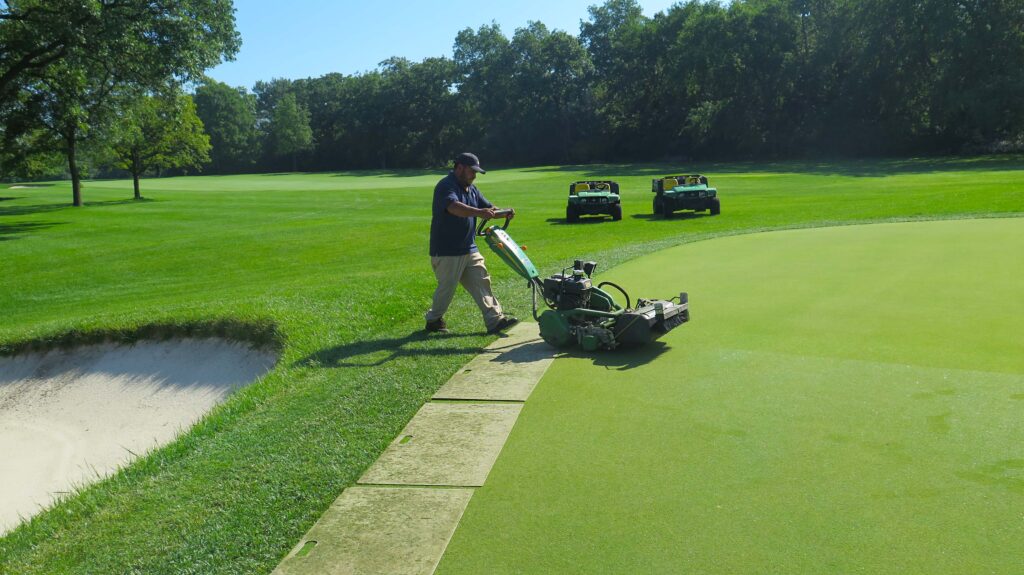
Players are increasingly asked to engage in practices such as repairing divots, minimizing waste, and respecting natural areas. Educational initiatives often extend to broader community engagement, including partnerships with local schools and environmental organizations. By promoting awareness and active participation, golf courses cultivate a culture in which sustainability becomes a shared value, enhancing the overall experience for everyone involved.
Case Studies of Leading Eco-Friendly Courses
Several Australian golf courses have emerged as leaders in sustainability, offering practical examples of how environmental stewardship can be integrated with world-class play. Courses in Victoria and Queensland, for instance, have embraced comprehensive water management programs, native landscaping, and renewable energy projects. Clubs have invested in on-site water treatment facilities, precision irrigation, and native plant nurseries to ensure long-term environmental resilience.
Other courses in New South Wales have successfully reduced chemical use through integrated pest management and organic fertilization. By combining research, technology, and a commitment to sustainability, these courses demonstrate that high-quality golfing experiences can coexist with responsible environmental practices.
International recognition, such as certification under the Audubon Cooperative Sanctuary Program for Golf, further validates these efforts. Australian courses earning such accolades serve as role models, inspiring other clubs to adopt similar practices and reinforcing the notion that sustainability enhances both ecological health and recreational value.
Challenges and Opportunities
Despite progress, challenges remain in making Australian golf courses fully sustainable. Climate variability, regulatory constraints, and financial pressures can limit the extent to which clubs implement eco-friendly practices. Droughts, bushfires, and extreme weather events create unpredictable conditions that require adaptive management strategies.
However, these challenges also present opportunities for innovation. Advances in irrigation technology, turf science, and renewable energy solutions enable courses to reduce environmental impact while maintaining high standards of play. Collaboration among clubs, environmental organizations, and government agencies provides access to expertise, funding, and research that supports ongoing improvement.
The growing interest in eco-conscious recreation also creates market opportunities. Players increasingly choose courses that demonstrate environmental responsibility, encouraging clubs to invest in sustainable infrastructure and practices. By aligning environmental stewardship with business strategy, Australian golf courses can enhance reputation, attract members, and contribute to broader sustainability goals.
The Future of Sustainable Golf in Australia
The future of golf in Australia will likely be defined by the continued integration of sustainability into all aspects of course management. From design and construction to maintenance and community engagement, courses are evolving to reflect a more environmentally conscious approach. Emphasis on native landscaping, water efficiency, renewable energy, and biodiversity protection will shape the next generation of Australian golf courses.
Technological innovations, such as data-driven irrigation systems, smart energy management, and sustainable turf varieties, will continue to enhance environmental performance. Courses may also explore partnerships with research institutions to develop best practices in ecological stewardship and resource efficiency. The integration of sustainability education for players and staff will reinforce a culture that values environmental responsibility as much as sporting excellence.
Ultimately, eco-friendly practices in Australian golf courses represent more than operational improvements—they embody a commitment to preserving the natural environment for future generations of players, wildlife, and communities. As awareness grows and innovation continues, Australian golf courses are poised to lead the world in demonstrating how sport and sustainability can thrive together.